SwimSafer Stage 3 Singapore: Skills, Assessment Requirements and Preparation Guide
What Is SwimSafer Stage 3?
SwimSafer Stage 3 is a significant milestone in Singapore’s national swimming and water safety programme. By the time a child reaches Stage 3, the focus shifts beyond basic water confidence and survival skills towards developing stronger swimming technique, greater endurance, and increased independence in the water.
For many parents researching the SwimSafer Programme Singapore, Stage 3 represents the point where children begin demonstrating genuine swimming competency rather than simply learning individual skills.
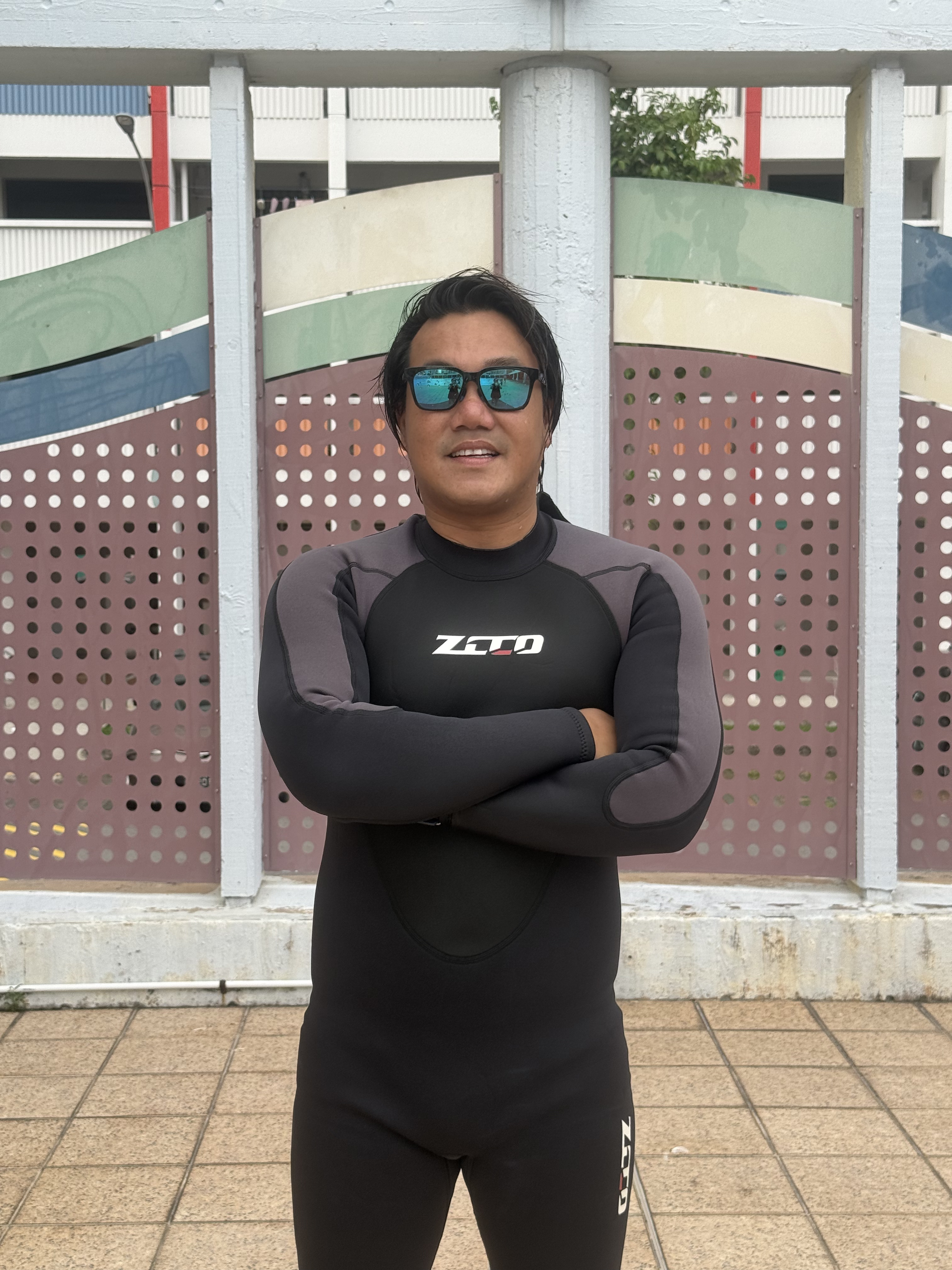
At SWIM2000, SwimSafer Stage 3 lessons are conducted at Yishun Swimming Complex and Bukit Canberra Swimming Complex for children from Yishun, Sembawang, Canberra, and other parts of North Singapore. Stage 3 classes are taught by Coach Neo Kah Heng, who specialises in building strong swimming fundamentals and correct stroke development before children progress into higher SwimSafer stages.
Why SwimSafer Stage 3 Matters
Many parents focus on passing assessments, but the real objective of SwimSafer Stage 3 is to build swimming competency that prepares children for lifelong water safety.
At this stage, swimmers should begin demonstrating:
- Greater confidence in deeper water
- Improved stroke efficiency
- Better breathing control
- Enhanced water survival capability
- Stronger swimming endurance
- Improved awareness of aquatic safety
Children who build strong foundations during Stage 3 typically find Stages 4, 5, and 6 significantly easier to complete.
At SWIM2000, Coach Lee Yucong emphasises that proper technique development during Stage 3 often determines whether a child becomes a confident swimmer or struggles with inefficient habits later.
SwimSafer Stage 3 Assessment Components
While assessment criteria may occasionally be updated, Stage 3 generally evaluates several key competencies.
Water Entry and Recovery Skills
Students are expected to demonstrate confidence entering the water and recovering safely.
Skills may include:
- Safe water entry
- Surface recovery
- Controlled movement after entry
- Orientation and stability in water
The goal is to ensure children remain calm and composed after entering the water.
Water Survival Skills
Water survival remains a core component of the SwimSafer programme.
Assessment items may include:
- Survival floating
- Sculling
- Treading water
- Basic rescue awareness
- Personal survival techniques
These skills help children remain safe if they unexpectedly find themselves in deeper water.
Freestyle Swimming
By Stage 3, freestyle should become more efficient and sustainable.
Assessors generally look for:
- Proper body position
- Consistent kicking
- Controlled breathing
- Effective arm recovery
- Ability to complete required distances
Many children can move through the water using freestyle, but Stage 3 focuses on performing the stroke correctly rather than simply completing the distance.
Breaststroke Development
Breaststroke becomes increasingly important at this stage.
Assessment criteria often focus on:
- Correct kick mechanics
- Proper timing
- Effective glide phase
- Breathing coordination
- Stroke efficiency
Children who develop poor breaststroke habits at Stage 3 frequently require stroke correction later, which is why technique remains a major focus during lessons.
Backstroke Skills
Students should also demonstrate competency in backstroke.
This includes:
- Stable body position
- Effective propulsion
- Directional control
- Consistent arm movement
Backstroke helps reinforce water confidence and body awareness.
Common Challenges During SwimSafer Stage 3
Parents often notice that progress slows slightly during Stage 3 compared to earlier stages.
This is normal because technical requirements become more demanding.
Breathing Coordination
Many children still struggle to coordinate breathing effectively during freestyle.
Common issues include:
- Holding their breath
- Lifting the head excessively
- Poor timing
These habits increase fatigue and reduce swimming efficiency.
Breaststroke Timing
Breaststroke timing remains one of the most challenging skills for Stage 3 swimmers.
Children frequently:
- Pull too long
- Kick too early
- Skip the glide phase
Proper sequencing is essential for efficient swimming.
Water Survival Confidence
Some children perform well in stroke work but become nervous when completing survival skills.
This is why SwimSafer incorporates both swimming and survival elements.
Assessment Anxiety
Children occasionally perform well during lessons but become nervous during formal assessments.
Regular mock assessments often help build familiarity and confidence.
How Long Does It Take to Pass SwimSafer Stage 3?
One of the most common questions parents ask is how long their child will need before passing SwimSafer Stage 3.
There is no fixed answer because progression depends on:
- Starting ability
- Attendance consistency
- Confidence level
- Technical development
- Practice outside lessons
For most children attending weekly lessons consistently, Stage 3 may take approximately three to six months to complete.
However, some children progress faster while others require additional time to fully master the required skills.
At SWIM2000, coaches focus on genuine competency rather than rushing children through assessments.
How SWIM2000 Prepares Children for SwimSafer Stage 3
SWIM2000 follows a structured coaching approach that prioritises technique, water safety, and confidence.
Students training at Yishun Swimming Lessons and Bukit Canberra Swimming Lessons receive progressive coaching designed to address individual weaknesses while maintaining consistent development.
Technique Before Speed
Children first learn:
- Correct body position
- Efficient movement
- Proper breathing
Speed is developed only after strong technique has been established.
Small Class Sizes
Smaller classes allow coaches to provide more individual correction and feedback.
This helps identify technical issues before they become long-term habits.
Consistent Coaching
SWIM2000 believes consistency is critical.
Children work with familiar coaches who understand their strengths, weaknesses, and learning styles.
Progressive Skill Development
Skills are introduced gradually to ensure swimmers remain confident while continuing to improve.
This approach supports both assessment success and long-term swimming development.
Beyond SwimSafer Stage 3
Parents often view Stage 3 as a destination.
In reality, it is a stepping stone towards higher levels of swimming competency.
After Stage 3, children typically progress into:
- SwimSafer Stage 4
- SwimSafer Stage 5
- SwimSafer Stage 6
- Competitive swimming pathways
- Advanced stroke development
Children who complete Stage 3 successfully often transition more smoothly into advanced swimming programmes.
Some eventually move into specialised programmes such as Stroke Correction Clinics or competitive swimming development.
Why Parents in North Singapore Choose SWIM2000
Families from Yishun, Sembawang, Canberra, and surrounding areas often choose SWIM2000 because of its structured progression system and experienced coaching team.
Students train at:
- Yishun Swimming Complex
- Bukit Canberra Swimming Complex
The coaching team includes:
Each coach contributes specialised expertise to different stages of a swimmer’s development.
For SwimSafer Stage 3 students, the emphasis remains on building strong foundations that support future success both inside and outside the SwimSafer framework.
FAQ
What is SwimSafer Stage 3?
SwimSafer Stage 3 is the third stage of Singapore’s national swimming and water safety programme, focusing on stroke development, water survival skills, and swimming independence.
Is SwimSafer Stage 3 difficult?
Stage 3 introduces more advanced technical and survival requirements than earlier stages, but most children progress successfully with consistent coaching and practice.
How long does it take to pass SwimSafer Stage 3?
Most children require approximately three to six months of regular weekly lessons, although progression varies based on individual ability and attendance.
What strokes are assessed in SwimSafer Stage 3?
Freestyle, breaststroke, and backstroke skills are typically evaluated alongside water survival competencies.
What is the hardest part of SwimSafer Stage 3?
Many children find breaststroke timing and water survival components the most challenging aspects of the assessment.
Where can my child prepare for SwimSafer Stage 3?
SWIM2000 conducts SwimSafer preparation lessons at Yishun Swimming Complex and Bukit Canberra Swimming Complex for families throughout North Singapore.
Does Stage 3 prepare children for Stage 4?
Yes. Stage 3 builds the technical and survival foundations necessary for successful progression into SwimSafer Stage 4 and beyond.
Where can I learn more about SwimSafer lessons?
Visit the SwimSafer Programme Singapore page or the FAQ section for more information.
Ready to Start Swimming?
Book your first lesson with our certified coaches today. Suitable for all ages and skill levels.
Join Our Class NowTypically replies within minutes · No commitment required