SwimSafer 2.0 Singapore: Complete Parent Guide to All 6 Stages
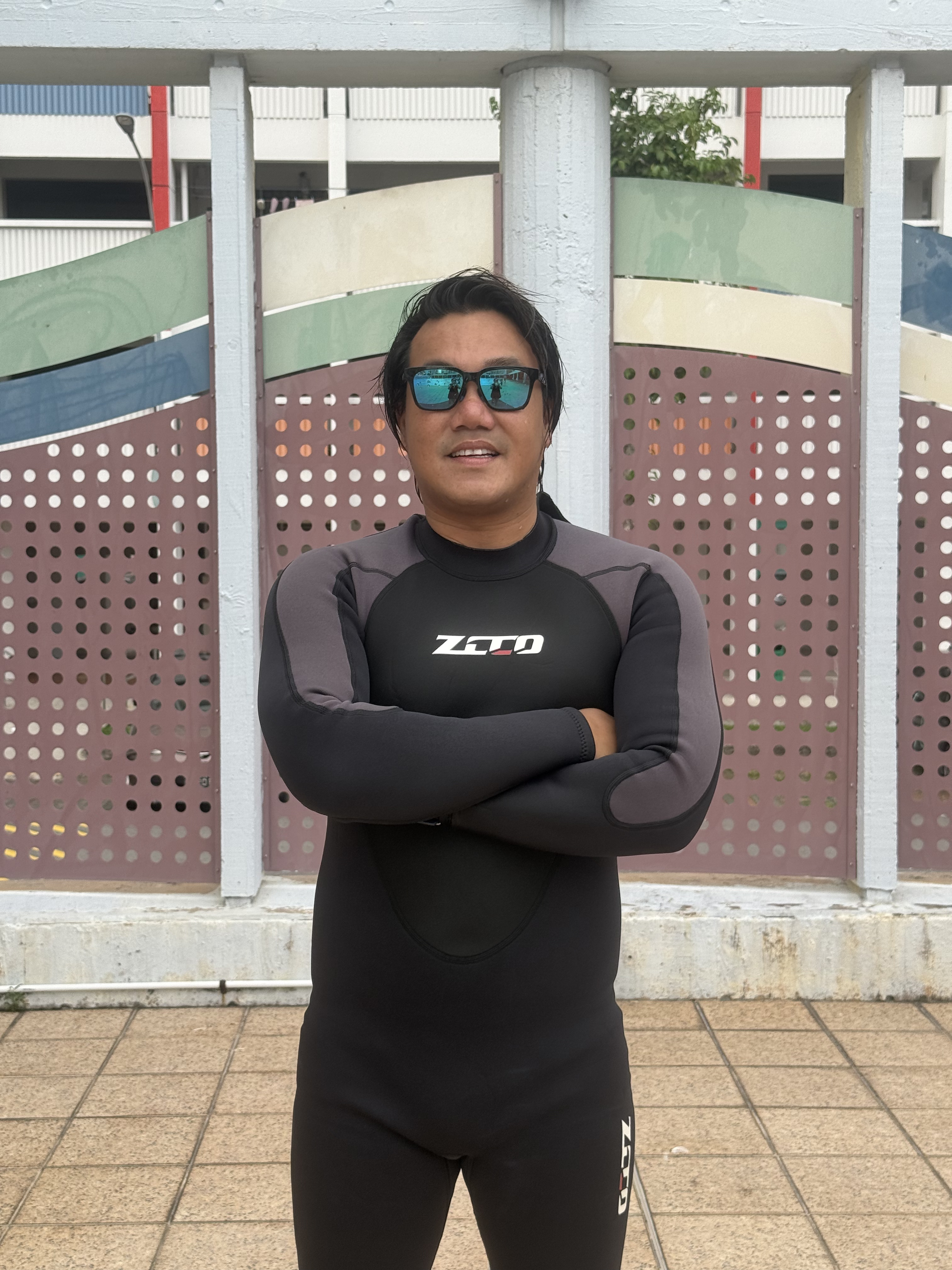
SwimSafer 2.0 is Singapore’s national water safety programme, structured into six progressive stages. Coach Lee Yucong, who has prepared hundreds of children for SwimSafer assessments at Yishun Swimming Complex and Bukit Canberra Swimming Complex, explains every stage from a coach’s perspective — not from the official brochure.
Unlike traditional learn-to-swim programmes that focus only on strokes, SwimSafer combines swimming proficiency, water survival, rescue awareness, and safety education into one structured national framework. It is now the standard used across many MOE primary schools and swimming academies in Singapore.
If your child is learning swimming in Singapore today, there is a very high chance they will eventually enter the SwimSafer system.
What Is SwimSafer 2.0?
SwimSafer 2.0 is Singapore’s national water safety and swimming certification programme, developed by Sport Singapore (SportSG) and supported by MOE schools and certified swim schools.
The programme was originally launched in 2010 before being revised into SwimSafer 2.0 to place greater emphasis on:
- Water survival
- Real-world safety skills
- Rescue awareness
- Stroke competency
- Standardised assessments
Each stage builds progressively from basic water confidence to advanced swimming endurance and rescue skills. You can see the full stage breakdown on SWIM2000’s SwimSafer programme page.
Why Was SwimSafer Created?
Singapore is surrounded by water, and drowning prevention has always been a national concern.
Before SwimSafer, swimming lessons and water survival certifications were fragmented under older systems. SwimSafer consolidated these into one national progression pathway.
The programme aims to produce swimmers who can:
- Swim competently
- Stay calm in water emergencies
- Survive unexpected water situations
- Understand basic rescue principles
- Develop long-term confidence in aquatic environments
This is why SwimSafer includes survival swims, floating, treading water, clothed swimming, and rescue awareness — not just front crawl and breaststroke.
Who Is SwimSafer For?
SwimSafer is primarily designed for children, but adults can also participate.
Typical participants include:
- Preschool children
- Primary school students
- MOE school swimming programmes
- Beginner swimmers
- Children preparing for competitive swimming foundations
- Adults learning water survival
Most children in Singapore begin SwimSafer between ages 4 to 8 depending on water confidence and coordination.
At SWIM2000, students are grouped based on actual ability rather than purely age. Our kids swimming lessons follow the SwimSafer pathway from Stage 1 through Stage 6.
How Does SwimSafer 2.0 Work?
The programme consists of six progressive stages:
| Stage | Focus |
|---|---|
| Stage 1 | Water confidence |
| Stage 2 | Fundamental water skills |
| Stage 3 | Stroke development |
| Stage 4 — Bronze | Intermediate survival skills |
| Stage 5 — Silver | Stroke refinement |
| Stage 6 — Gold | Advanced swimming proficiency |
Each stage typically requires approximately 12 hours of guided instruction before assessment readiness, although actual progression varies significantly between students.
Some children complete a stage within a few months. Others may require longer depending on:
- Fear of water
- Coordination
- Attendance consistency
- Physical maturity
- Confidence levels
Our Aquatic Roadmap explains how SWIM2000 structures this progression in practice.
SwimSafer Stage 1: Introduction to Water Skills
Stage 1 focuses almost entirely on water confidence.
Children learn:
- Safe pool entry and exit
- Bubble blowing
- Floating
- Basic kicking
- Moving independently in water
- Recovering from submersion
The biggest challenge at this stage is usually psychological rather than physical.
Many parents underestimate how important comfort and relaxation are. A child who panics in shallow water cannot properly learn strokes later.
At SWIM2000, Stage 1 is led by Coach Lee Yucong at both Yishun Swimming Complex and Bukit Canberra Swimming Complex.
From a coach’s perspective, the goal is not speed. The goal is calmness. A child who enjoys water almost always progresses faster long term.
SwimSafer Stage 2: Fundamental Water Skills
Stage 2 introduces independent swimming and deeper-water confidence.
Students begin learning:
- 25m continuous swimming
- Sculling
- Treading water
- Surface dives
- Survival strokes
- PFD familiarity
This is usually where parents first realise SwimSafer is more than a normal swimming class.
Children are expected to demonstrate control, breathing coordination, and basic endurance — not simply move across the pool.
Stage 2 is also where inconsistent attendance starts affecting progression significantly.
At SWIM2000, Stage 2 is taught by Coach David Lim, who has coached swimming at this level since 2008.
SwimSafer Stage 3: Personal and Stroke Development
Stage 3 is the transition from “learning to survive” into “learning to swim properly.”
Students are assessed on:
- Front crawl
- Backstroke
- Deep water confidence
- Underwater movement
- Survival skills
- Continuous swimming
By this stage, technical correction becomes more important.
Common mistakes include:
- Poor breathing timing
- Bent knees during kicking
- Weak body alignment
- Panic during deep-water tasks
Many students plateau here because bad habits from earlier stages finally become visible. Consistent correction matters.
At SWIM2000, Stage 3 is also taught by Coach David Lim, who specialises in breaststroke timing and stroke fundamentals. If you’re already swimming but carrying technique problems, our stroke correction clinic addresses exactly this.
SwimSafer Bronze — Stage 4
Bronze is where SwimSafer becomes significantly more demanding.
Students must demonstrate:
- 100m swimming across multiple strokes
- Survival backstroke
- Clothed swimming
- Sustained treading water
- Greater deep-water independence
This stage develops real-world survivability rather than recreational swimming alone.
Parents are often surprised by the clothed swim component, but it exists for practical reasons:
- Clothing becomes heavy in water
- Movement changes dramatically
- Panic increases when mobility decreases
Students who pass Bronze are generally considered functionally water-safe under normal supervised conditions.
At SWIM2000, Stage 4 is taught by Coach Neo Kah Heng. Beyond teaching, Coach Neo is a CAMS-registered SwimSafer assessor — which means he assesses SwimSafer candidates under Singapore’s Centralised Assessment Management System, not just prepares them.
That distinction matters. Coaches who conduct assessments regularly know exactly what assessors look for, how margins are applied, and what separates a pass from a borderline fail at this stage. Coach Neo brings over 18 years of coaching experience, a background as a competitive swimmer and water polo player at the National School Games level, and extensive experience running MOE SwimSafer programmes across multiple swim schools. His attention to stroke mechanics gives him a specific eye for the efficiency losses that slow swimmers at Bronze — and his assessment credentials give parents a reliable read on where their child genuinely stands before they attempt the test.
SwimSafer Silver — Stage 5
Silver focuses heavily on:
- Stroke refinement
- Endurance
- Efficiency
- Rescue awareness
- Controlled breathing
Swimming becomes more technical here. Small inefficiencies that were previously manageable now create fatigue over longer distances.
At this level, coaches often spend substantial time correcting:
- Streamline position
- Rotation timing
- Kick rhythm
- Stroke efficiency
This is also where stronger swimmers begin transitioning toward competitive swimming pathways.
At SWIM2000, Stage 5 includes butterfly technique led by Coach Jack Lee, who brings decades of competitive swimming coaching experience to this level.
SwimSafer Gold — Stage 6
Gold is the final SwimSafer stage and represents advanced swimming proficiency.
Students complete:
- 400m total swimming
- Multiple strokes
- Timed swims
- Survival skills
- Rescue competency
- Butterfly introduction
- Deep-water tasks
Gold requires both technique and stamina.
Many swimmers can technically perform strokes but fail because:
- They fatigue too early
- Their breathing becomes inconsistent
- Their pacing collapses
Gold-level swimmers are usually comfortable across most public aquatic environments in Singapore.
Stage 6 swimmers at SWIM2000 are coached by Coach Jack Lee. Completion of Stage 6 marks the entry point into SWIM2000’s competitive track.
What Are the Benefits of SwimSafer?
1. Nationally Recognised Certification
SwimSafer certifications are recognised across Singapore schools and swim programmes.
2. Better Water Safety
The programme teaches actual survival principles, not just swimming strokes.
3. Structured Progression
Parents can clearly track development through measurable milestones.
4. Builds Confidence
Children who complete SwimSafer often become substantially more confident around water environments.
5. Strong Foundation for Competitive Swimming
SwimSafer creates technical fundamentals that help later competitive training.
Common Parent Questions About SwimSafer
How Long Does Each Stage Take?
Officially, each stage is designed around approximately 12 hours of lessons.
In reality:
- Confident learners may progress faster
- Nervous children may require longer
- Consistency matters more than lesson frequency alone
SWIM2000 reports a 99% SwimSafer pass rate across Stages 1–6 at Yishun Swimming Complex and Bukit Canberra Swimming Complex.
Is SwimSafer Difficult?
The early stages are accessible for most children.
The later stages become increasingly demanding because they test:
- Endurance
- Technique
- Deep-water confidence
- Survival skills
Can My Child Skip Stages?
Sometimes. Experienced coaches may assess a child directly into a suitable level based on ability.
However, skipping too aggressively often creates technical gaps later.
Is SwimSafer Mandatory?
No, but many MOE schools and swimming programmes use SwimSafer as their standard framework. Children who have completed higher stages are better prepared for school-based swimming assessments.
Coach Lee Yucong’s Practical Advice for Parents
The fastest-progressing students are usually not the most talented.
They are typically the children who:
- Attend consistently
- Are relaxed in water
- Trust the coach
- Practise regularly
- Avoid long training breaks
Parents should focus less on “passing quickly” and more on:
- Comfort
- Confidence
- Consistency
- Technique quality
Children who are rushed often develop fear or poor habits that later require retraining — and undoing bad habits is significantly harder than building correct ones from scratch.
SwimSafer Lessons at SWIM2000
SWIM2000 offers structured SwimSafer lessons at two venues in northern Singapore:
- Kids Swimming Lessons — SwimSafer Stages 1–6 for children aged 5 and above
- Adult Swimming Lessons — for beginners and returning swimmers
- SwimSafer Programme — full stage breakdown, assessment details, and how to enrol
Classes are capped at 6 students, with the same coach every lesson. Enquiries via WhatsApp at +65 9817 2710.
Final Thoughts
SwimSafer 2.0 is not simply a swimming syllabus.
It is a long-term water competency framework designed around survival, confidence, and practical aquatic ability.
The programme’s strength is its progression:
- confidence first
- technique second
- endurance third
- survival always
For most children in Singapore, SwimSafer is the foundation that shapes how they interact with water for the rest of their lives.
Ready to Start Swimming?
Book your first lesson with our certified coaches today. Suitable for all ages and skill levels.
Join Our Class NowTypically replies within minutes · No commitment required