Best Age to Learn Swimming: A Practical Guide for Singapore Parents
Why Parents Ask About the Best Age to Learn Swimming
One of the most common questions asked by parents is:
“When should my child start swimming lessons?”
Some parents worry they may be starting too early.
Others worry they may have waited too long.
The reality is that there is no single age that guarantees swimming success. However, there are developmental stages where children tend to be more receptive to learning certain aquatic skills.
For families living in Yishun, Sembawang, Canberra, and across North Singapore, understanding what children can realistically achieve at different ages helps set appropriate expectations and supports long-term swimming success.
Swimming is both a life skill and a safety skill. The goal is not simply learning strokes but developing water confidence, aquatic awareness, and the ability to function safely around water.
Is There an Ideal Age to Start Swimming?
Research and coaching experience suggest that most children can begin structured swimming exposure from a young age.
However, the definition of “learning swimming” changes depending on age.
For younger children, swimming lessons often focus on:
- Water confidence
- Comfort in aquatic environments
- Floating
- Breath control
- Basic movement
For older children, lessons gradually introduce:
- Freestyle
- Breaststroke
- SwimSafer competencies
- Water safety skills
The best age is therefore less about a specific number and more about developmental readiness.
Swimming Lessons for Children Aged 3 to 4
Children around three to four years old are often capable of participating in structured beginner programmes.
At this age, lessons typically focus on:
Water Familiarisation
Children learn that water is a safe and enjoyable environment.
Confidence Building
Activities are designed to reduce fear and increase comfort.
Basic Floating
Children begin understanding buoyancy and body position.
Listening Skills
Following simple instructions becomes an important part of learning.
Parents searching for swimming lessons for younger children often benefit from focusing on confidence rather than technical outcomes.
At this stage, water confidence is usually a more meaningful milestone than stroke development.
Swimming Lessons for Children Aged 5 to 6
Many swimming coaches consider five to six years old to be an excellent age for structured swimming progression.
Children in this age group typically demonstrate:
- Better attention spans
- Improved coordination
- Greater independence
- Stronger understanding of instructions
This often allows coaches to introduce more structured skill development.
Children may begin learning:
- Streamlining
- Kicking
- Breathing techniques
- Introductory freestyle movements
- SwimSafer preparation
For this reason, many parents begin kids swimming lessons Singapore programmes during this age range.
Swimming Lessons for Children Aged 7 and Above
Parents occasionally worry that seven years old is “too late.”
This is not true.
Many successful swimmers begin after the age of seven.
Older beginners often possess advantages such as:
- Better comprehension
- Stronger body awareness
- Improved concentration
- Greater confidence in following instructions
As a result, some older beginners progress very quickly.
The key determinant remains consistency and coaching quality rather than starting age alone.
Why Water Confidence Matters More Than Age
One of the biggest misconceptions among parents is that age automatically determines swimming ability.
In practice, water confidence is often more important.
Consider two examples:
Child A:
- Six years old
- Limited pool exposure
- Significant fear of water
Child B:
- Four years old
- Comfortable in aquatic environments
- Positive attitude towards swimming
Child B may progress faster despite being younger.
Confidence supports:
- Learning
- Breathing control
- Floating
- Stroke development
- SwimSafer progression
This is why many programmes prioritise confidence before technique.
The Connection Between Early Swimming and Water Safety
Singapore is surrounded by water-based environments.
Children regularly encounter:
- Swimming pools
- Beaches
- Water playgrounds
- Resorts
- Overseas holidays
Swimming lessons help develop practical water safety skills.
These include:
Understanding Risk
Children learn appropriate behaviour around aquatic environments.
Emergency Awareness
Basic survival concepts become familiar.
Confidence Under Supervision
Children become less likely to panic during unexpected situations.
The earlier children develop safe water habits, the more natural these behaviours become.
How SwimSafer Fits Into Age-Based Development
The SwimSafer programme Singapore provides a structured pathway for swimming development.
The programme focuses on:
- Water confidence
- Water safety
- Survival skills
- Swimming competency
Children progress through stages as their abilities develop.
Importantly, SwimSafer progression should not be rushed.
Competency matters more than speed.
Children who develop strong foundations typically progress more effectively through later stages.
Common Signs Your Child Is Ready for Swimming Lessons
Parents often ask how to determine readiness.
Several indicators may suggest a child is prepared to begin.
Willingness to Enter Water
The child shows curiosity rather than extreme avoidance.
Ability to Follow Instructions
The child can understand and respond to simple directions.
Basic Independence
The child is comfortable participating without constant physical assistance.
Interest in Learning
The child demonstrates curiosity about swimming or water activities.
Readiness does not require confidence.
Many children begin lessons while still feeling nervous.
Why Some Children Need More Time
Swimming development is not a race.
Several factors influence progression:
Personality
Some children naturally approach new experiences cautiously.
Previous Exposure
Children with regular pool experiences often adapt more quickly.
Physical Development
Coordination develops at different rates.
Confidence Levels
Comfort in water significantly influences learning speed.
Parents should avoid comparing progress between children.
Individual progression is normal.
The Importance of Consistency
Regardless of starting age, consistent attendance is one of the strongest predictors of success.
Children who attend regularly generally develop:
- Better muscle memory
- Stronger confidence
- Improved technique
- Greater familiarity with aquatic environments
Families attending programmes at Yishun Swimming Complex and Bukit Canberra Swimming Complex often achieve better outcomes through consistency rather than intensity.
Weekly participation frequently produces stronger long-term results than irregular attendance.
How Coaches Adapt Lessons for Different Ages
Experienced coaches understand that children learn differently depending on developmental stage.
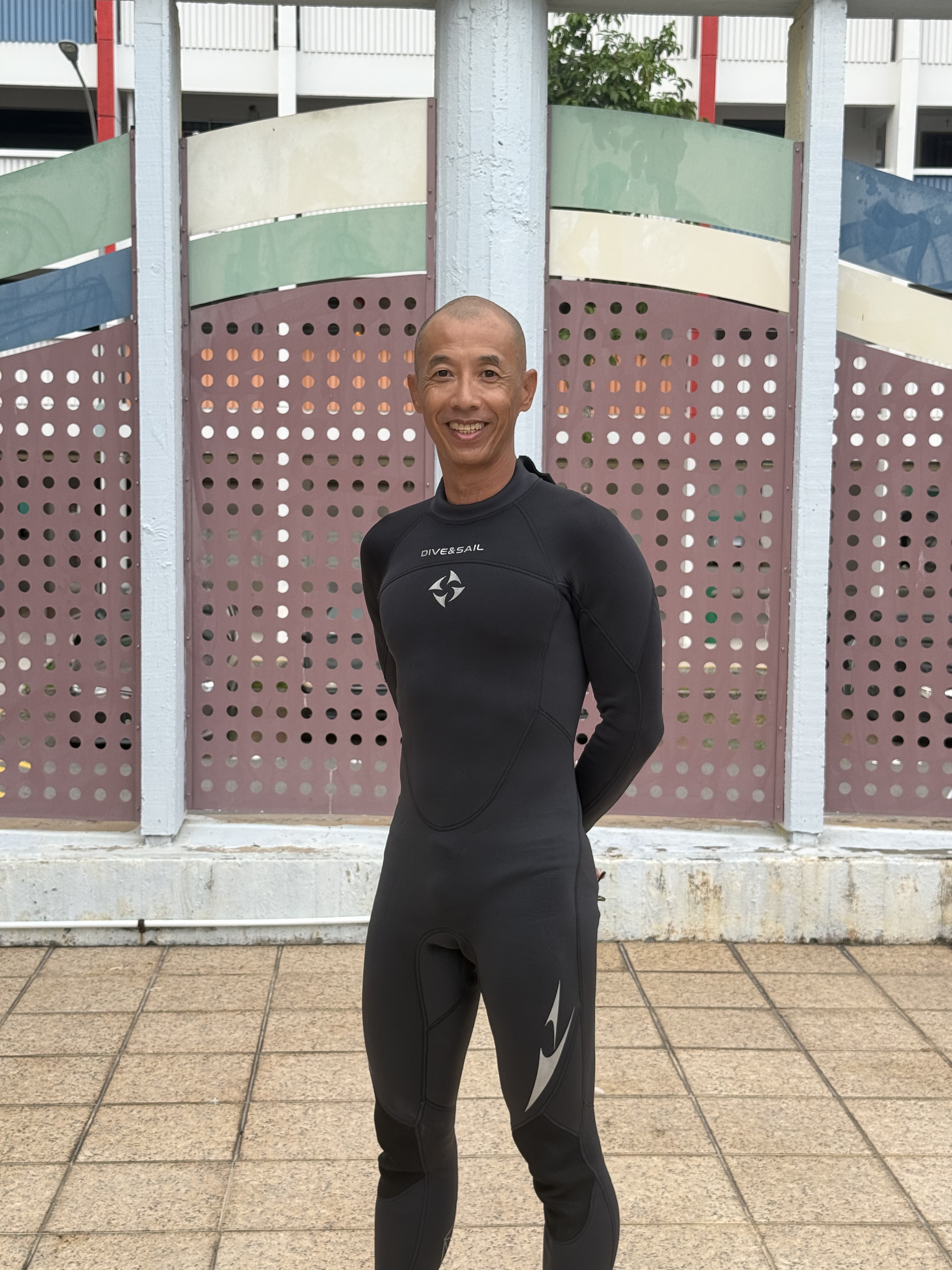
At SWIM2000, instructors such as Coach Lee Yucong, Coach Neo Kah Heng, Coach David Lim, and Coach Jack Lee tailor instruction according to:
- Age
- Confidence
- Experience
- Learning style
- Physical development
This helps ensure children receive appropriate challenges without becoming overwhelmed.
A four-year-old beginner and an eight-year-old beginner may both learn swimming successfully, but their lesson structures may differ significantly.
Why Families in North Singapore Start Early
Parents living in Yishun, Sembawang, Canberra, and nearby estates increasingly view swimming as an essential life skill.
Facilities such as:
- Yishun Swimming Complex
- Bukit Canberra Swimming Complex
provide convenient access to structured programmes.
Families frequently enrol children in:
to establish strong foundations before children encounter more advanced swimming requirements later.
The objective is not producing competitive swimmers immediately.
The objective is developing safe, confident, capable individuals around water.
Is It Ever Too Late to Learn Swimming?
No.
Children, teenagers, and adults can all learn swimming.
While younger children often adapt naturally to aquatic environments, older beginners can progress rapidly due to stronger cognitive and physical maturity.
Swimming remains one of the most accessible lifelong skills.
The best age to start is often simply the earliest age at which a child is ready to participate consistently.
FAQ
What is the best age to start swimming lessons?
Many children begin structured lessons between four and six years old, although readiness varies.
Can a three-year-old learn swimming?
Yes. Lessons at this age usually focus on confidence, familiarity, and basic aquatic skills.
Is six years old too late to start?
No. Six years old is considered an excellent age for structured swimming development.
Can older children still learn swimming effectively?
Yes. Many older beginners progress quickly due to stronger concentration and coordination.
Should children learn swimming before primary school?
Many families choose to start before primary school because it supports water confidence and safety awareness.
Does starting earlier mean faster progress?
Not necessarily. Confidence, attendance, and coaching quality often influence progress more than age alone.
How does SwimSafer relate to age?
SwimSafer progression is based on competency rather than age. Children advance when they demonstrate the required skills.
Where can children learn swimming in North Singapore?
Many families attend programmes at Yishun Swimming Complex and Bukit Canberra Swimming Complex due to convenience and structured coaching pathways.
What is more important: age or confidence?
Confidence is often the stronger predictor of swimming success. Children who feel comfortable in water generally learn more effectively regardless of age.
Ready to Start Swimming?
Book your first lesson with our certified coaches today. Suitable for all ages and skill levels.
Join Our Class NowTypically replies within minutes · No commitment required